
ノボジーン
  • ノボジーン
  • ゲノミクス
    • ヒト全ゲノムシーケンス
    • 動植物全ゲノムシーケンス
    • 微生物全ゲノムシーケンス
    • 動植物de novoシーケンス
    • 微生物de novoシーケンス
    • ショットガンメタゲノムシーケンス
    • アンプリコンシーケンス
    • 全エクソームシーケンス
    トランスクリプトミクス
    • mRNAシーケンス
    • トータルRNAシーケンス
    • 全長トランスクリプトームシーケンス
    • 全トランスクリプトームシーケンス
    • スモールRNAシーケンシング
    • 環状RNAシーケンス
    • メタトランスクリプトームシーケンス
    • 原核生物RNAシーケンス
    シングルセルと空間オミクス
    • シングルセル遺伝子発現解析
    • シングルセル免疫プロファイリングシーケンス
    • シングルセルロングリードトランスクリプトーム
    エピゲノミクス
    • 全ゲノムバイサルファイトシーケンス(WGBS)
    • ディレクトDNAメチレーションシーケンス(DM-Seq)new
    • 還元型バイサルファイトシーケンス (RRBS)
    • クロマチン免疫沈降シーケンス(ChIP-Seq)
    • RNA免疫沈降シーケンス (RIP-Seq)

    相乗りシーケンス

    • 相乗りシーケンス(イルミナプラットフォーム)
    • 相乗りシーケンス(PacBioプラットフォーム)
    プロテオミクス & メタボロミクス
    • Olinkプロテオミクス
  • プロモーションプロモーション
    • プラットフォーム
    • インテリジェント自動化プラットフォーム(Falcon)
    • バイオインフォマティクス解析ツール(NovoMagic)
    • カスタマサービスシステム(CSS)
    • パンフレット
    • ケーススタディ
    • ウェビナー
    • ブログ
    • サンプルガイドライン
    • コンミュニティ
    • がん研究
    • がん免疫
    • アグリゲノミクス
    • 環境
    • 食品科学
    • ヒトマイクロバイオーム
    • 植物および動物マイクロバイオーム
    • 創薬および開発
    • 希少および複雑性疾患
    • ノボジーンについて
    • 拠点一覧
    • ニュース
    • キャリア
  • お問い合わせお問い合わせ
  1. Home
  2. Resources
  3. ブログ
  4. Introducing Shotgun Metagenomic Sequencing

Introducing Shotgun Metagenomic Sequencing

Microbial research has been increasingly more focused on complex systems. Shotgun metagenomic sequencing is the best option for high-throughput genomic DNA sequencing, providing a more authentic view of the target microbial community directly from their natural environment. Here is what you need to know about it. Genomics has been one of the most dynamic research fields in modern Microbiology[1]. The ability to sequence DNA, assemble and annotate complete genomes of microorganisms has completely revolutionized all areas of this science – everything from medical and biotechnological to environmental research. However, Microbiology is now focusing on complex systems with microbial communities that contain thousands of organisms, and the research questions are also shifting from the more exploratory “who is there?” to the more comprehensive “what are they doing?”. High-throughput sequencing is the necessary next step, and here is where shotgun metagenomic next-generation sequencing (NGS) can help.
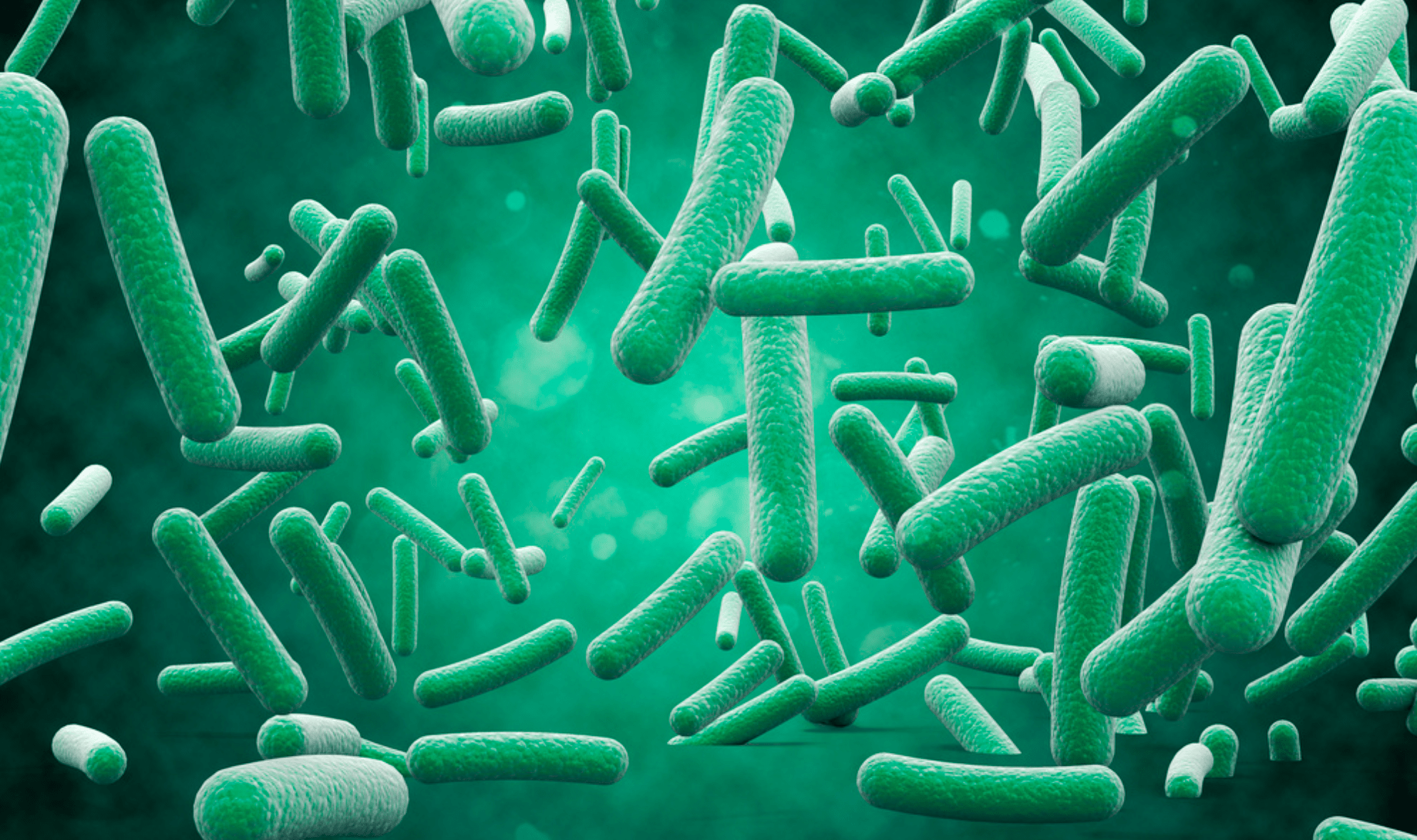
Metagenomics has been defined as “the application of modern genomics technique without the need for isolation and lab cultivation of individual species”[2]. The biosphere likely has 1030 to 1031 microbial genomes, and researchers have been able to culture less than 1% of this diversity. Therefore, working with samples obtained directly from any environment without the need for isolation and culturing of the microorganisms removes culturing-related biases, granting access to a much larger portion of the biodiversity.

In shotgun metagenomic sequencing, fragmentized genomic DNA is sequenced through NGS technology. Then, the sequenced fragments (reads) are assembled in scaftigs. Finally, these assembled reads are used both to characterize the composition of communities and extract information of whole genes, specifying their function as part of the metagenome. This approach provides a more authentic view of the microbial community structure, functioning, metabolism network, and interactions taking place in the studied environment. If you are interested not only in who is there but in what the microorganisms are doing, their genomes, and their function, shotgun metagenomic sequencing is the right tool for you.

https://amea-dev.novogene.com/services/research-services/metagenomics/shotgun-metagenomic-sequencing/

But what do you need to know when getting started with an NGS service at Novogene? First, that Novogene has vast experience in meta-amplicon and metagenomics studies and we have helped clients publish 116 papers. Novogene also has Falcon, a fully automated platform to process and sequence metagenomics samples, resulting in high cost-efficiency and fast turnaround time. Finally, Novogene offers an informatics package that can assist you with the complete data analysis, from taxonomic diversity to functional annotation of genes.

Let us now take a look at an overview of the standard shotgun metagenomics sequencing workflow, from sampling to data analysis. We hope that this introduction helps you to get started!

The shotgun metagenomic sequencing workflow comprises five main steps:

  1. Sample preparation;
  2. DNA extraction and quantification;
  3. DNA quality control;
  4. Library preparation and sequencing;
  5. Data quality control.
Sample Preparation

Correct sample preparation is crucial to achieving good results. Every sample type is different and requires a specific sampling strategy. Here, the key is to identify possible sample contaminants and plan for at least three biological replicates. Keep in mind that a common contaminant is host tissue (e.g., in gut microbiome studies) and that samples of plant and animal subjects are individually specific and prone to sample deviation (e.g., intestines, feces, stomach, etc.).

DNA Extraction and Quantification

Based on the extensive Novogene projects experience, we recommend the use of the conventional CTAB method. However, we suggest the PowerSoil® DNA Isolation kit (MOBIO Cat #12888) for soil and sludge samples and the QIAamp DNA Microbiome kit (QIAGEN Cat #51704) for stool samples. In any case, be aware of contamination with polysaccharides and adjust the salt concentration of your purification reactions accordingly to remove it.

DNA Quality Control

This step is performed when Novogene receives the samples, and it has two criteria. First, the main band must be above the 500 bp marker in the electrophoresis gel and without obvious degradation. Second, the samples need to be transparent. Upon authorization of the client, we will proceed with the sequencing of non-transparent samples, despite not recommending it.

Library Preparation and Sequencing

DNA is fragmented and undergoes end repair and phosphorylation. Next, A-tailing and adaptor ligation are performed. Finally, 150 bp paired-end sequencing is performed with the Illumina Novaseq 6000.

Data Quality Control

Read filtering is then performed. This step removes low quality reads that either contain full or parts of the adapters sequence, >10% of uncertain bases, and reads that have >50% of bases with Qscore<5. The Data Quality Control Report, provided at the end of this step, contains a pie chart showing the percentage of clean, discarded, low quality, and uncertain reads.

Novogene guarantees a Qscore≥30 for more than 80% of the reads. This accuracy level ensures 99.9% of correct base calling.

Reference

[1] A genomic approach to microbiology. Nat Rev Genet 20, 311 (2019). https://doi.org/10.1038/s41576-019-0131-5 [2] Chen, K., & Pachter, L. (2005). Bioinformatics for whole-genome shotgun sequencing of microbial communities. PLoS computational biology, 1(2), 106–112. https://doi.org/10.1371/journal.pcbi.0010024

サービスサービス menu

サポートサポート menu

会社会社 menu

サービス
全ゲノムシーケンスde novoシーケンスアンプリコンシーケンスショットガンメタゲノムシーケンスディレクトDNAメチレーションシーケンス(DM-Seq)mRNAシーケンスシングルセル遺伝子発現解析Olinkプロテオミクス
サポート
バイオインフォマティクス解析ツール(NovoMagic)カスタマサービスシステム(CSS)インテリジェント自動化プラットフォーム(Falcon)
会社
ノボジーンについて拠点一覧プラットフォームニュースキャリアお問い合わせ
YouTubeYouTube hoverXX hover
Copyright © 2026 Novogene Inc. All rights reserved. 本サービスは研究目的のみにご利用ください。臨床診断目的には使用頂けません。
ノボジーン
  • ノボジーン
  • ゲノミクス
    • ヒト全ゲノムシーケンス
    • 動植物全ゲノムシーケンス
    • 微生物全ゲノムシーケンス
    • 動植物de novoシーケンス
    • 微生物de novoシーケンス
    • ショットガンメタゲノムシーケンス
    • アンプリコンシーケンス
    • 全エクソームシーケンス
    トランスクリプトミクス
    • mRNAシーケンス
    • トータルRNAシーケンス
    • 全長トランスクリプトームシーケンス
    • 全トランスクリプトームシーケンス
    • スモールRNAシーケンシング
    • 環状RNAシーケンス
    • メタトランスクリプトームシーケンス
    • 原核生物RNAシーケンス
    シングルセルと空間オミクス
    • シングルセル遺伝子発現解析
    • シングルセル免疫プロファイリングシーケンス
    • シングルセルロングリードトランスクリプトーム
    エピゲノミクス
    • 全ゲノムバイサルファイトシーケンス(WGBS)
    • ディレクトDNAメチレーションシーケンス(DM-Seq)new
    • 還元型バイサルファイトシーケンス (RRBS)
    • クロマチン免疫沈降シーケンス(ChIP-Seq)
    • RNA免疫沈降シーケンス (RIP-Seq)

    相乗りシーケンス

    • 相乗りシーケンス(イルミナプラットフォーム)
    • 相乗りシーケンス(PacBioプラットフォーム)
    プロテオミクス & メタボロミクス
    • Olinkプロテオミクス
  • プロモーションプロモーション
    • プラットフォーム
    • インテリジェント自動化プラットフォーム(Falcon)
    • バイオインフォマティクス解析ツール(NovoMagic)
    • カスタマサービスシステム(CSS)
    • パンフレット
    • ケーススタディ
    • ウェビナー
    • ブログ
    • サンプルガイドライン
    • コンミュニティ
    • がん研究
    • がん免疫
    • アグリゲノミクス
    • 環境
    • 食品科学
    • ヒトマイクロバイオーム
    • 植物および動物マイクロバイオーム
    • 創薬および開発
    • 希少および複雑性疾患
    • ノボジーンについて
    • 拠点一覧
    • ニュース
    • キャリア
  • お問い合わせお問い合わせ
  1. Home
  2. Resources
  3. ブログ
  4. Introducing Shotgun Metagenomic Sequencing

Introducing Shotgun Metagenomic Sequencing

Microbial research has been increasingly more focused on complex systems. Shotgun metagenomic sequencing is the best option for high-throughput genomic DNA sequencing, providing a more authentic view of the target microbial community directly from their natural environment. Here is what you need to know about it. Genomics has been one of the most dynamic research fields in modern Microbiology[1]. The ability to sequence DNA, assemble and annotate complete genomes of microorganisms has completely revolutionized all areas of this science – everything from medical and biotechnological to environmental research. However, Microbiology is now focusing on complex systems with microbial communities that contain thousands of organisms, and the research questions are also shifting from the more exploratory “who is there?” to the more comprehensive “what are they doing?”. High-throughput sequencing is the necessary next step, and here is where shotgun metagenomic next-generation sequencing (NGS) can help.

Metagenomics has been defined as “the application of modern genomics technique without the need for isolation and lab cultivation of individual species”[2]. The biosphere likely has 1030 to 1031 microbial genomes, and researchers have been able to culture less than 1% of this diversity. Therefore, working with samples obtained directly from any environment without the need for isolation and culturing of the microorganisms removes culturing-related biases, granting access to a much larger portion of the biodiversity.

In shotgun metagenomic sequencing, fragmentized genomic DNA is sequenced through NGS technology. Then, the sequenced fragments (reads) are assembled in scaftigs. Finally, these assembled reads are used both to characterize the composition of communities and extract information of whole genes, specifying their function as part of the metagenome. This approach provides a more authentic view of the microbial community structure, functioning, metabolism network, and interactions taking place in the studied environment. If you are interested not only in who is there but in what the microorganisms are doing, their genomes, and their function, shotgun metagenomic sequencing is the right tool for you.

https://amea-dev.novogene.com/services/research-services/metagenomics/shotgun-metagenomic-sequencing/

But what do you need to know when getting started with an NGS service at Novogene? First, that Novogene has vast experience in meta-amplicon and metagenomics studies and we have helped clients publish 116 papers. Novogene also has Falcon, a fully automated platform to process and sequence metagenomics samples, resulting in high cost-efficiency and fast turnaround time. Finally, Novogene offers an informatics package that can assist you with the complete data analysis, from taxonomic diversity to functional annotation of genes.

Let us now take a look at an overview of the standard shotgun metagenomics sequencing workflow, from sampling to data analysis. We hope that this introduction helps you to get started!

The shotgun metagenomic sequencing workflow comprises five main steps:

  1. Sample preparation;
  2. DNA extraction and quantification;
  3. DNA quality control;
  4. Library preparation and sequencing;
  5. Data quality control.
Sample Preparation

Correct sample preparation is crucial to achieving good results. Every sample type is different and requires a specific sampling strategy. Here, the key is to identify possible sample contaminants and plan for at least three biological replicates. Keep in mind that a common contaminant is host tissue (e.g., in gut microbiome studies) and that samples of plant and animal subjects are individually specific and prone to sample deviation (e.g., intestines, feces, stomach, etc.).

DNA Extraction and Quantification

Based on the extensive Novogene projects experience, we recommend the use of the conventional CTAB method. However, we suggest the PowerSoil® DNA Isolation kit (MOBIO Cat #12888) for soil and sludge samples and the QIAamp DNA Microbiome kit (QIAGEN Cat #51704) for stool samples. In any case, be aware of contamination with polysaccharides and adjust the salt concentration of your purification reactions accordingly to remove it.

DNA Quality Control

This step is performed when Novogene receives the samples, and it has two criteria. First, the main band must be above the 500 bp marker in the electrophoresis gel and without obvious degradation. Second, the samples need to be transparent. Upon authorization of the client, we will proceed with the sequencing of non-transparent samples, despite not recommending it.

Library Preparation and Sequencing

DNA is fragmented and undergoes end repair and phosphorylation. Next, A-tailing and adaptor ligation are performed. Finally, 150 bp paired-end sequencing is performed with the Illumina Novaseq 6000.

Data Quality Control

Read filtering is then performed. This step removes low quality reads that either contain full or parts of the adapters sequence, >10% of uncertain bases, and reads that have >50% of bases with Qscore<5. The Data Quality Control Report, provided at the end of this step, contains a pie chart showing the percentage of clean, discarded, low quality, and uncertain reads.

Novogene guarantees a Qscore≥30 for more than 80% of the reads. This accuracy level ensures 99.9% of correct base calling.

Reference

[1] A genomic approach to microbiology. Nat Rev Genet 20, 311 (2019). https://doi.org/10.1038/s41576-019-0131-5 [2] Chen, K., & Pachter, L. (2005). Bioinformatics for whole-genome shotgun sequencing of microbial communities. PLoS computational biology, 1(2), 106–112. https://doi.org/10.1371/journal.pcbi.0010024

サービスサービス menu

サポートサポート menu

会社会社 menu

サービス
全ゲノムシーケンスde novoシーケンスアンプリコンシーケンスショットガンメタゲノムシーケンスディレクトDNAメチレーションシーケンス(DM-Seq)mRNAシーケンスシングルセル遺伝子発現解析Olinkプロテオミクス
サポート
バイオインフォマティクス解析ツール(NovoMagic)カスタマサービスシステム(CSS)インテリジェント自動化プラットフォーム(Falcon)
会社
ノボジーンについて拠点一覧プラットフォームニュースキャリアお問い合わせ
YouTubeYouTube hoverXX hover
Copyright © 2026 Novogene Inc. All rights reserved. 本サービスは研究目的のみにご利用ください。臨床診断目的には使用頂けません。
プライバシーポリシーCookieポリシーキャリア