
ノボジーン
  • ノボジーン
  • ゲノミクス
    • ヒト全ゲノムシーケンス
    • 動植物全ゲノムシーケンス
    • 微生物全ゲノムシーケンス
    • 動植物de novoシーケンス
    • 微生物de novoシーケンス
    • ショットガンメタゲノムシーケンス
    • アンプリコンシーケンス
    • 全エクソームシーケンス
    トランスクリプトミクス
    • mRNAシーケンス
    • トータルRNAシーケンス
    • 全長トランスクリプトームシーケンス
    • 全トランスクリプトームシーケンス
    • スモールRNAシーケンシング
    • 環状RNAシーケンス
    • メタトランスクリプトームシーケンス
    • 原核生物RNAシーケンス
    シングルセルと空間オミクス
    • シングルセル遺伝子発現解析
    • シングルセル免疫プロファイリングシーケンス
    • シングルセルロングリードトランスクリプトーム
    エピゲノミクス
    • 全ゲノムバイサルファイトシーケンス(WGBS)
    • ディレクトDNAメチレーションシーケンス(DM-Seq)new
    • 還元型バイサルファイトシーケンス (RRBS)
    • クロマチン免疫沈降シーケンス(ChIP-Seq)
    • RNA免疫沈降シーケンス (RIP-Seq)

    相乗りシーケンス

    • 相乗りシーケンス(イルミナプラットフォーム)
    • 相乗りシーケンス(PacBioプラットフォーム)
    プロテオミクス & メタボロミクス
    • Olinkプロテオミクス
  • プロモーションプロモーション
    • プラットフォーム
    • インテリジェント自動化プラットフォーム(Falcon)
    • バイオインフォマティクス解析ツール(NovoMagic)
    • カスタマサービスシステム(CSS)
    • パンフレット
    • ケーススタディ
    • ウェビナー
    • ブログ
    • サンプルガイドライン
    • コンミュニティ
    • がん研究
    • がん免疫
    • アグリゲノミクス
    • 環境
    • 食品科学
    • ヒトマイクロバイオーム
    • 植物および動物マイクロバイオーム
    • 創薬および開発
    • 希少および複雑性疾患
    • ノボジーンについて
    • 拠点一覧
    • ニュース
    • キャリア
  • お問い合わせお問い合わせ
  1. Home
  2. Resources
  3. ブログ
  4. Application of Single Cell Sequencing (SCS) Technology

Application of Single Cell Sequencing (SCS) Technology

The emerging technology has led to advances in the understanding of the human cell, which is a fundamental functional and structural unit of life. To gather genomic, RNA transcripts or other information, single-cell sequencing technologies are becoming increasingly popular. Single-cell sequencing methods refer to the sequencing of a single-cell genome or transcriptome to explore cell functioning, cell diseases, cell differentiation, population distinctions, and evolutionary links. When compared to traditional bulk cell sequencing technology, single-cell technologies have the advantages of identifying heterogeneity within individual cells, distinguishing a small number of cells, and delineating cell maps[1]. Single-cell sequencing techniques are becoming more powerful and affordable for the diagnosis and cure of cancer and complex diseases as the research progresses.
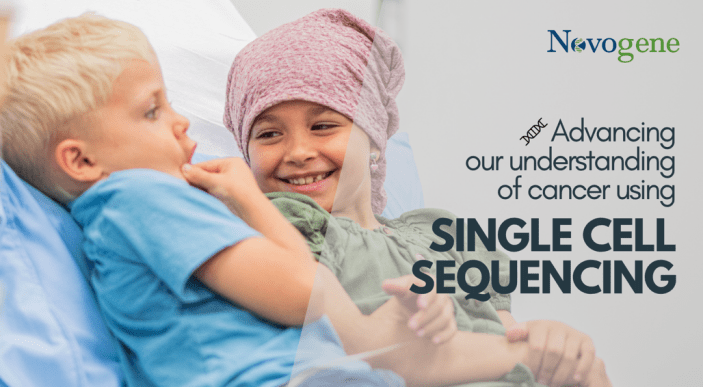
Cancer treatment has been a challenging subject for humans to address due to the complexity of its composition and clonal variability. When it comes to studying tumour heterogeneity, evolution, progression, the emergence of chemoresistance, and the interaction between the immune system and tumour microenvironment, single cell RNA sequencing (scRNA-seq) has stepped in and made ground-breaking discoveries [2]. For instance, in one study using scRNA-seq, researchers compared Wilms tumour cells and cancer cells in the kidney with healthy kidney cells at different development stages and ages. They discovered that Wilms tumour cells in juvenile patients have traits in common with particular kidney cells that mature normally, supporting the theory that Wilms tumour cells are aberrant foetal cells [3]. This discovery offers an alternative to chemotherapy in children for treating renal cell carcinoma by halting the proliferation of cancer cells. These findings might also serve as a starting point for the creation of innovative therapies for kidney cell cancer that specifically affect PT1 kidney cells. Another research study used transcriptome analysis of 65,598 single cells to look at pediatric central nerve tumours, which are universally lethal. The myeloid cells in cerebrospinal fluid from all patients were examined using single-cell RNA sequencing. Based on the results, therapeutic doses were administered to the patients, and an improvement in neurological functions was observed. The results of this have shown promise, paving the way for further refinement of this strategy for treating this historically deadly CNS cancer [4].

By using scRNA-sequencing, microenvironmental cell types and gene alterations are reported at the cellular level in a range of cancer types such as lung and pancreatic cancer [5], neck and head cancer [6], melanoma and glioma[7]–[9] and breast cancer[10]. In the tumour immune microenvironment (TME), some researchers used scRNA-sequences to construct an immune map of cancer. For instance, E. Azizi examined immune cells from eight different forms of breast cancer as well as healthy tissues, blood, and lymph nodes to construct an immunological map of breast cancer [11]. Zheng created an immunological map of hepatocellular carcinoma by isolating T cells from tumours, as well as from surrounding healthy tissues and peripheral blood[12]. The unique position of single-cell sequencing technology in the field of cancer will considerably advance the development of precision medicine and aid in the explanation of previously unrecognized biological mechanisms, leading to advancements in clinical diagnosis and treatment.

In addition to cancer, single-cell technology applications have a broad range in the disciplines of cardiology, neurology, reproduction, microbiology, digestive systems, urology, immunology, and overall life sciences. For example, scRNA sequencing has been of vital importance in the COVID-19 pandemic. The investigation studies proved the technology to be extremely effective at monitoring immune systems. In one such study, detecting the SARS-CoV-2 RNA and S proteins in an extensive dataset of Covid-19 patients, SCS technology revealed the relationships between age, stage, sex, and disease severity with the various immune subsets in SARS-CoV-2 infection and offered a wealth of resources for analyzing the pathogenesis of COVID-19 and deriving potent therapeutic approaches for coronavirus treatment [13].

These technologies have recently been used to give researchers a better knowledge of the cellular makeup of a healthy human heart. With the aid of single-cell transcriptomics, it was shown that nearly all myocardial cell types had significant alterations in gene expression, and there was wide heterogeneity in how various cardiac cell clusters reacted to heart failure. The technology also showed that inflammatory mediator-expressing monocyte and macrophage groups had emerged in the failing heart. This data presents a comprehensive analysis of the cellular and transcriptome environment of both a healthy functioning and failing human heart, and it will provide an important resource to the cardiology research community [14].
Even though the Single Cell Sequencing (SCS) field is still young, it has already had a significant impact on a wide range of biological disciplines and greatly advanced our understanding of how human diseases work on a fundamental level. In the upcoming years, we anticipate that the need for and usage of SCS technologies will increase significantly as these techniques become more refined, accessible, and simple to use in conventional research and clinical laboratories.

References

[1] L. Wen and F. Tang, “Boosting the power of single-cell analysis,” Nature Biotechnology. 2018. doi: 10.1038/nbt.4131.

[2] J. Liu, T. Xu, Y. Jin, B. Huang, and Y. Zhang, “Progress and Clinical Application of Single-Cell Transcriptional Sequencing Technology in Cancer Research,” Front. Oncol., vol. 10, no. February, pp. 1–11, 2021, doi: 10.3389/fonc.2020.593085.

[3] M. D. Young et al., “Single-cell transcriptomes from human kidneys reveal the cellular identity of renal tumors,” Science (80-. )., 2018, doi: 10.1126/science.aat1699.

[4] R. G. Majzner et al., “GD2-CAR T cell therapy for H3K27M-mutated diffuse midline gliomas,” Nature, vol. 603, no. 7903, pp. 934–941, 2022, doi: 10.1038/s41586-022-04489-4.

[5] J. Peng et al., “Single-cell RNA-seq highlights intra-tumoral heterogeneity and malignant progression in pancreatic ductal adenocarcinoma,” Cell Res., vol. 29, no. 9, pp. 725–738, 2019.

[6] S. V. Puram et al., “Single-Cell Transcriptomic Analysis of Primary and Metastatic Tumor Ecosystems in Head and Neck Cancer,” Cell, 2017, doi: 10.1016/j.cell.2017.10.044.

[7] C. Neftel et al., “An Integrative Model of Cellular States, Plasticity, and Genetics for Glioblastoma,” Cell, 2019, doi: 10.1016/j.cell.2019.06.024.

[8] S. Müller et al., “Single-cell profiling of human gliomas reveals macrophage ontogeny as a basis for regional differences in macrophage activation in the tumor microenvironment,” Genome Biol., 2017, doi: 10.1186/s13059-017-1362-4.

[9] M. H. Wadsworth II et al., “Dissecting the multicellular ecosystem of metastatic melanoma by single-cell RNA-seq”.

[10] P. Savas et al., “Single-cell profiling of breast cancer T cells reveals a tissue-resident memory subset associated with improved prognosis,” Nat. Med., 2018, doi: 10.1038/s41591-018-0078-7.

[11] E. Azizi et al., “Single-cell map of diverse immune phenotypes in the breast tumor microenvironment,” Cell, vol. 174, no. 5, pp. 1293–1308, 2018.

[12] C. Zheng et al., “Landscape of Infiltrating T Cells in Liver Cancer Revealed by Single-Cell Sequencing,” Cell, 2017, doi: 10.1016/j.cell.2017.05.035.

[13] X. Ren et al., “COVID-19 immune features revealed by a large-scale single-cell transcriptome atlas,” Cell, vol. 184, no. 7, pp. 1895-1913.e19, 2021, doi: 10.1016/j.cell.2021.01.053.

[14] A. L. Koenig et al., “Single-cell transcriptomics reveals cell-type-specific diversification in human heart failure,” Nat. Cardiovasc. Res., vol. 1, no. 3, pp. 263–280, 2022, doi: 10.1038/s44161-022-00028-6.

サービスサービス menu

サポートサポート menu

会社会社 menu

サービス
全ゲノムシーケンスde novoシーケンスアンプリコンシーケンスショットガンメタゲノムシーケンスディレクトDNAメチレーションシーケンス(DM-Seq)mRNAシーケンスシングルセル遺伝子発現解析Olinkプロテオミクス
サポート
バイオインフォマティクス解析ツール(NovoMagic)カスタマサービスシステム(CSS)インテリジェント自動化プラットフォーム(Falcon)
会社
ノボジーンについて拠点一覧プラットフォームニュースキャリアお問い合わせ
YouTubeYouTube hoverXX hover
Copyright © 2026 Novogene Inc. All rights reserved. 本サービスは研究目的のみにご利用ください。臨床診断目的には使用頂けません。
ノボジーン
  • ノボジーン
  • ゲノミクス
    • ヒト全ゲノムシーケンス
    • 動植物全ゲノムシーケンス
    • 微生物全ゲノムシーケンス
    • 動植物de novoシーケンス
    • 微生物de novoシーケンス
    • ショットガンメタゲノムシーケンス
    • アンプリコンシーケンス
    • 全エクソームシーケンス
    トランスクリプトミクス
    • mRNAシーケンス
    • トータルRNAシーケンス
    • 全長トランスクリプトームシーケンス
    • 全トランスクリプトームシーケンス
    • スモールRNAシーケンシング
    • 環状RNAシーケンス
    • メタトランスクリプトームシーケンス
    • 原核生物RNAシーケンス
    シングルセルと空間オミクス
    • シングルセル遺伝子発現解析
    • シングルセル免疫プロファイリングシーケンス
    • シングルセルロングリードトランスクリプトーム
    エピゲノミクス
    • 全ゲノムバイサルファイトシーケンス(WGBS)
    • ディレクトDNAメチレーションシーケンス(DM-Seq)new
    • 還元型バイサルファイトシーケンス (RRBS)
    • クロマチン免疫沈降シーケンス(ChIP-Seq)
    • RNA免疫沈降シーケンス (RIP-Seq)

    相乗りシーケンス

    • 相乗りシーケンス(イルミナプラットフォーム)
    • 相乗りシーケンス(PacBioプラットフォーム)
    プロテオミクス & メタボロミクス
    • Olinkプロテオミクス
  • プロモーションプロモーション
    • プラットフォーム
    • インテリジェント自動化プラットフォーム(Falcon)
    • バイオインフォマティクス解析ツール(NovoMagic)
    • カスタマサービスシステム(CSS)
    • パンフレット
    • ケーススタディ
    • ウェビナー
    • ブログ
    • サンプルガイドライン
    • コンミュニティ
    • がん研究
    • がん免疫
    • アグリゲノミクス
    • 環境
    • 食品科学
    • ヒトマイクロバイオーム
    • 植物および動物マイクロバイオーム
    • 創薬および開発
    • 希少および複雑性疾患
    • ノボジーンについて
    • 拠点一覧
    • ニュース
    • キャリア
  • お問い合わせお問い合わせ
  1. Home
  2. Resources
  3. ブログ
  4. Application of Single Cell Sequencing (SCS) Technology

Application of Single Cell Sequencing (SCS) Technology

The emerging technology has led to advances in the understanding of the human cell, which is a fundamental functional and structural unit of life. To gather genomic, RNA transcripts or other information, single-cell sequencing technologies are becoming increasingly popular. Single-cell sequencing methods refer to the sequencing of a single-cell genome or transcriptome to explore cell functioning, cell diseases, cell differentiation, population distinctions, and evolutionary links. When compared to traditional bulk cell sequencing technology, single-cell technologies have the advantages of identifying heterogeneity within individual cells, distinguishing a small number of cells, and delineating cell maps[1]. Single-cell sequencing techniques are becoming more powerful and affordable for the diagnosis and cure of cancer and complex diseases as the research progresses.

Cancer treatment has been a challenging subject for humans to address due to the complexity of its composition and clonal variability. When it comes to studying tumour heterogeneity, evolution, progression, the emergence of chemoresistance, and the interaction between the immune system and tumour microenvironment, single cell RNA sequencing (scRNA-seq) has stepped in and made ground-breaking discoveries [2]. For instance, in one study using scRNA-seq, researchers compared Wilms tumour cells and cancer cells in the kidney with healthy kidney cells at different development stages and ages. They discovered that Wilms tumour cells in juvenile patients have traits in common with particular kidney cells that mature normally, supporting the theory that Wilms tumour cells are aberrant foetal cells [3]. This discovery offers an alternative to chemotherapy in children for treating renal cell carcinoma by halting the proliferation of cancer cells. These findings might also serve as a starting point for the creation of innovative therapies for kidney cell cancer that specifically affect PT1 kidney cells. Another research study used transcriptome analysis of 65,598 single cells to look at pediatric central nerve tumours, which are universally lethal. The myeloid cells in cerebrospinal fluid from all patients were examined using single-cell RNA sequencing. Based on the results, therapeutic doses were administered to the patients, and an improvement in neurological functions was observed. The results of this have shown promise, paving the way for further refinement of this strategy for treating this historically deadly CNS cancer [4].

By using scRNA-sequencing, microenvironmental cell types and gene alterations are reported at the cellular level in a range of cancer types such as lung and pancreatic cancer [5], neck and head cancer [6], melanoma and glioma[7]–[9] and breast cancer[10]. In the tumour immune microenvironment (TME), some researchers used scRNA-sequences to construct an immune map of cancer. For instance, E. Azizi examined immune cells from eight different forms of breast cancer as well as healthy tissues, blood, and lymph nodes to construct an immunological map of breast cancer [11]. Zheng created an immunological map of hepatocellular carcinoma by isolating T cells from tumours, as well as from surrounding healthy tissues and peripheral blood[12]. The unique position of single-cell sequencing technology in the field of cancer will considerably advance the development of precision medicine and aid in the explanation of previously unrecognized biological mechanisms, leading to advancements in clinical diagnosis and treatment.

In addition to cancer, single-cell technology applications have a broad range in the disciplines of cardiology, neurology, reproduction, microbiology, digestive systems, urology, immunology, and overall life sciences. For example, scRNA sequencing has been of vital importance in the COVID-19 pandemic. The investigation studies proved the technology to be extremely effective at monitoring immune systems. In one such study, detecting the SARS-CoV-2 RNA and S proteins in an extensive dataset of Covid-19 patients, SCS technology revealed the relationships between age, stage, sex, and disease severity with the various immune subsets in SARS-CoV-2 infection and offered a wealth of resources for analyzing the pathogenesis of COVID-19 and deriving potent therapeutic approaches for coronavirus treatment [13].

These technologies have recently been used to give researchers a better knowledge of the cellular makeup of a healthy human heart. With the aid of single-cell transcriptomics, it was shown that nearly all myocardial cell types had significant alterations in gene expression, and there was wide heterogeneity in how various cardiac cell clusters reacted to heart failure. The technology also showed that inflammatory mediator-expressing monocyte and macrophage groups had emerged in the failing heart. This data presents a comprehensive analysis of the cellular and transcriptome environment of both a healthy functioning and failing human heart, and it will provide an important resource to the cardiology research community [14].

Even though the Single Cell Sequencing (SCS) field is still young, it has already had a significant impact on a wide range of biological disciplines and greatly advanced our understanding of how human diseases work on a fundamental level. In the upcoming years, we anticipate that the need for and usage of SCS technologies will increase significantly as these techniques become more refined, accessible, and simple to use in conventional research and clinical laboratories.

References

[1] L. Wen and F. Tang, “Boosting the power of single-cell analysis,” Nature Biotechnology. 2018. doi: 10.1038/nbt.4131.

[2] J. Liu, T. Xu, Y. Jin, B. Huang, and Y. Zhang, “Progress and Clinical Application of Single-Cell Transcriptional Sequencing Technology in Cancer Research,” Front. Oncol., vol. 10, no. February, pp. 1–11, 2021, doi: 10.3389/fonc.2020.593085.

[3] M. D. Young et al., “Single-cell transcriptomes from human kidneys reveal the cellular identity of renal tumors,” Science (80-. )., 2018, doi: 10.1126/science.aat1699.

[4] R. G. Majzner et al., “GD2-CAR T cell therapy for H3K27M-mutated diffuse midline gliomas,” Nature, vol. 603, no. 7903, pp. 934–941, 2022, doi: 10.1038/s41586-022-04489-4.

[5] J. Peng et al., “Single-cell RNA-seq highlights intra-tumoral heterogeneity and malignant progression in pancreatic ductal adenocarcinoma,” Cell Res., vol. 29, no. 9, pp. 725–738, 2019.

[6] S. V. Puram et al., “Single-Cell Transcriptomic Analysis of Primary and Metastatic Tumor Ecosystems in Head and Neck Cancer,” Cell, 2017, doi: 10.1016/j.cell.2017.10.044.

[7] C. Neftel et al., “An Integrative Model of Cellular States, Plasticity, and Genetics for Glioblastoma,” Cell, 2019, doi: 10.1016/j.cell.2019.06.024.

[8] S. Müller et al., “Single-cell profiling of human gliomas reveals macrophage ontogeny as a basis for regional differences in macrophage activation in the tumor microenvironment,” Genome Biol., 2017, doi: 10.1186/s13059-017-1362-4.

[9] M. H. Wadsworth II et al., “Dissecting the multicellular ecosystem of metastatic melanoma by single-cell RNA-seq”.

[10] P. Savas et al., “Single-cell profiling of breast cancer T cells reveals a tissue-resident memory subset associated with improved prognosis,” Nat. Med., 2018, doi: 10.1038/s41591-018-0078-7.

[11] E. Azizi et al., “Single-cell map of diverse immune phenotypes in the breast tumor microenvironment,” Cell, vol. 174, no. 5, pp. 1293–1308, 2018.

[12] C. Zheng et al., “Landscape of Infiltrating T Cells in Liver Cancer Revealed by Single-Cell Sequencing,” Cell, 2017, doi: 10.1016/j.cell.2017.05.035.

[13] X. Ren et al., “COVID-19 immune features revealed by a large-scale single-cell transcriptome atlas,” Cell, vol. 184, no. 7, pp. 1895-1913.e19, 2021, doi: 10.1016/j.cell.2021.01.053.

[14] A. L. Koenig et al., “Single-cell transcriptomics reveals cell-type-specific diversification in human heart failure,” Nat. Cardiovasc. Res., vol. 1, no. 3, pp. 263–280, 2022, doi: 10.1038/s44161-022-00028-6.

サービスサービス menu

サポートサポート menu

会社会社 menu

サービス
全ゲノムシーケンスde novoシーケンスアンプリコンシーケンスショットガンメタゲノムシーケンスディレクトDNAメチレーションシーケンス(DM-Seq)mRNAシーケンスシングルセル遺伝子発現解析Olinkプロテオミクス
サポート
バイオインフォマティクス解析ツール(NovoMagic)カスタマサービスシステム(CSS)インテリジェント自動化プラットフォーム(Falcon)
会社
ノボジーンについて拠点一覧プラットフォームニュースキャリアお問い合わせ
YouTubeYouTube hoverXX hover
Copyright © 2026 Novogene Inc. All rights reserved. 本サービスは研究目的のみにご利用ください。臨床診断目的には使用頂けません。
プライバシーポリシーCookieポリシーキャリア