
ノボジーン
  • ノボジーン
  • ゲノミクス
    • ヒト全ゲノムシーケンス
    • 動植物全ゲノムシーケンス
    • 微生物全ゲノムシーケンス
    • 動植物de novoシーケンス
    • 微生物de novoシーケンス
    • ショットガンメタゲノムシーケンス
    • アンプリコンシーケンス
    • 全エクソームシーケンス
    トランスクリプトミクス
    • mRNAシーケンス
    • トータルRNAシーケンス
    • 全長トランスクリプトームシーケンス
    • 全トランスクリプトームシーケンス
    • スモールRNAシーケンシング
    • 環状RNAシーケンス
    • メタトランスクリプトームシーケンス
    • 原核生物RNAシーケンス
    シングルセルと空間オミクス
    • シングルセル遺伝子発現解析
    • シングルセル免疫プロファイリングシーケンス
    • シングルセルロングリードトランスクリプトーム
    エピゲノミクス
    • 全ゲノムバイサルファイトシーケンス(WGBS)
    • ディレクトDNAメチレーションシーケンス(DM-Seq)new
    • 還元型バイサルファイトシーケンス (RRBS)
    • クロマチン免疫沈降シーケンス(ChIP-Seq)
    • RNA免疫沈降シーケンス (RIP-Seq)

    相乗りシーケンス

    • 相乗りシーケンス(イルミナプラットフォーム)
    • 相乗りシーケンス(PacBioプラットフォーム)
    プロテオミクス & メタボロミクス
    • Olinkプロテオミクス
  • プロモーションプロモーション
    • プラットフォーム
    • インテリジェント自動化プラットフォーム(Falcon)
    • バイオインフォマティクス解析ツール(NovoMagic)
    • カスタマサービスシステム(CSS)
    • パンフレット
    • ケーススタディ
    • ウェビナー
    • ブログ
    • サンプルガイドライン
    • コンミュニティ
    • がん研究
    • がん免疫
    • アグリゲノミクス
    • 環境
    • 食品科学
    • ヒトマイクロバイオーム
    • 植物および動物マイクロバイオーム
    • 創薬および開発
    • 希少および複雑性疾患
    • ノボジーンについて
    • 拠点一覧
    • ニュース
    • キャリア
  • お問い合わせお問い合わせ
  1. Home
  2. Resources
  3. ブログ
  4. ANTI-mosquito and Healthcare <br/>—— How Next Generation Sequencing Will Support Research of Vector-borne Disease

ANTI-mosquito and Healthcare —— How Next Generation Sequencing Will Support Research of Vector-borne Disease

Mosquitos are the primary vector of malaria and are responsible for an estimated 219 million cases of the disease worldwide every year, resulting in approximately 400,000 deaths. As a result, there has been a lot of research to understand several aspects of disease transmission, from physiological processes within the mosquito to aspects of human biology that make them more susceptible to mosquito bites and subsequent malaria infection, to uncover methods to disrupt disease transmission. Recent advances in next-generation sequencing (NGS) techniques have enabled researchers to delve deeper into understanding these processes at the transcriptome, metabolome, and whole genome levels.
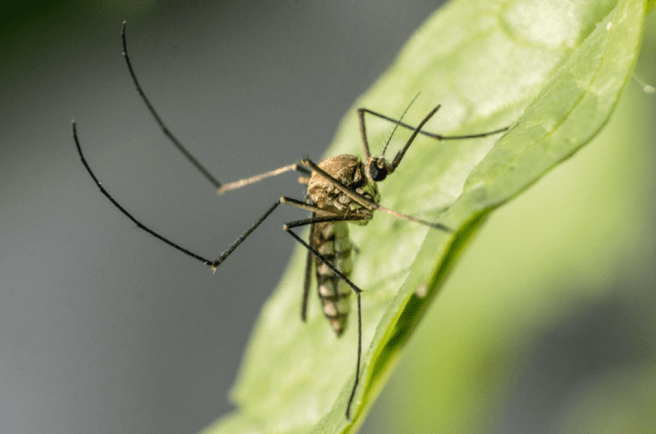
Does the skin microbiome play a role in attracting mosquitos?

Specific body odours make some people more attractive to mosquitos than others, increasing the frequency at which that these people are bitten, placing them at a higher risk of contracting a vector-borne disease such as malaria. These body odours are produced by the breakdown of carbohydrates, fatty acids, and peptides on the skin by bacteria, producing volatiles that the mosquitos can differentiate between. In a recent study, researchers used 16S amplicon sequencing to examine the skin microbiome to understand if differences in bacteria composition on the skin could play a role in attracting Anopheles coluzzii mosquitos1. To do this, the researchers used behavioural assays to identify two groups of women – those that were highly attractive to mosquitos and those that were poorly attractive to mosquitos – and sampled their skin microbiome. The samples were sequenced using the Illumina MiSeq V2 to generate 2x 250 base pair paired-end reads.

Using this data, the researchers identified 10 Amplicon Sequence Variants (ASVs) which had significantly different abundances between the two groups. From these sequences, the researchers were able to classify 8 of these at the genus level: Methylocaldum, Sphingomonas, Staphylococcus 2 Brevundimonas, Corynebacterium and Limnohabitans. Interestingly, three Staphylococcus 2 ASVs were found to be more abundant in the highly attractive group of people than those who were considered poorly attractive, suggesting that the presence of these bacteria plays a role in attracting Anopheles mosquitos. These results could be used to improve odour-baited traps and other next-generation vector control tools to reduce or prohibit vector-borne disease transmission.

Mosquito Cellular Immunity

Anopheline mosquitoes are responsible for the transmission of plasmodium parasites to humans, which causes malaria. The parasite infects female mosquitos when they feed on the blood of an infected person and travels through the digestive system until it reaches the midgut where it multiplies. However, the mosquito immune system can limit this infection in several ways and hemocytes, which are insect white blood cells, are considered key players in this process. Previous research described three hemocyte types in Anopheles gambiae mosquitos, but the functional diversity and developmental trajectories of these hemocytes were unknown. In a recent study, researchers used single-cell RNA sequencing (scRNA-seq) to analyze the transcriptional profile of individual mosquito hemocytes in response to blood feeding or infection with Plasmodium2.

The researchers profiled the transcriptomes of 8506 hemocytes from two species of mosquito, Anopheles gambiae and Aedes aegypti, and identified six hemocyte clusters and specific hemocyte genes. From this information, the researchers were able to identify two main hemocyte lineages and uncover a previously unidentified cell type, termed megacyte, which was absent in Aedes aegypti mosquitos. These results provide an important foundation for further investigation into the cellular events that protect mosquitos from malaria infection and could be used to disrupt disease transmission by making mosquitos resistant to these pathogens.

The mosquito microbiome protects against parasite infection

The mosquito microbiome plays an important role in several processes including host development, digestion, sexual reproduction, immune functions, and vector competence. Previous research has demonstrated that the elimination of the microbiome slows protein catabolism, but the exact role of the microbes in protein catabolism is poorly understood. In a recent study, researchers aimed to shed light on the role that the mosquito microbiome plays in protein catabolism and more specifically tryptophan metabolism3. Tryptophan is an essential amino acid obtained by mosquitos from a blood meal, and its metabolites have important roles in several physiological processes.

The researchers used a variety of next-generation sequencing techniques including transcriptome sequencing and 16S r RNA sequencing to uncover the relationship between the microbiome and tryptophan metabolism. Whole-genome sequencing and annotation of Pseudomonas alcaligenes, a major member of the mosquito microbiota, was performed using the Illumina NovaSeq PE150.

The results from this study demonstrated that the gut microbiota of Anopheles stephensi mosquitos is involved in tryptophan metabolism and that antibiotic elimination of the microbiota led to the accumulation of both tryptophan and its metabolites. More specifically, the results highlighted the important role that Pseudomonas alcaligenes plays in metabolising 3-hydroxykynurenine which plays some role in protecting the mosquito from parasite infection. This discovery has important implications for vector competence.

Advances in NGS technologies have enabled researchers to uncover important information that can be used to find methods to disrupt disease transmission and save human lives. Novogene offers a world-class sequencing service and collaborates with organisations worldwide to help shed light on important topics such as these, contributing to medical advances that could help prevent diseases such as malaria.

References

1.Showering, A., Martinez, J., Benavente, E.D., Gezan, S.A., Jones, R.T., Oke, C., Tytheridge, S., Pretorius, E., Scott, D., Allen, R.L. and D’Alessandro, U., 2022. Skin microbiome alters attractiveness to Anopheles mosquitoes. BMC microbiology, 22(1), pp.1-14.

2.Raddi, G., Barletta, A.B.F., Efremova, M., Ramirez, J.L., Cantera, R., Teichmann, S.A., Barillas-Mury, C. and Billker, O., 2020. Mosquito cellular immunity at single-cell resolution. Science, 369(6507), pp.1128-1132.

3.Feng, Y., Peng, Y., Song, X., Wen, H., An, Y., Tang, H. and Wang, J., 2022. Anopheline mosquitoes are protected against parasite infection by tryptophan catabolism in gut microbiota. Nature Microbiology, 7(5), pp.707-715.

サービスサービス menu

サポートサポート menu

会社会社 menu

サービス
全ゲノムシーケンスde novoシーケンスアンプリコンシーケンスショットガンメタゲノムシーケンスディレクトDNAメチレーションシーケンス(DM-Seq)mRNAシーケンスシングルセル遺伝子発現解析Olinkプロテオミクス
サポート
バイオインフォマティクス解析ツール(NovoMagic)カスタマサービスシステム(CSS)インテリジェント自動化プラットフォーム(Falcon)
会社
ノボジーンについて拠点一覧プラットフォームニュースキャリアお問い合わせ
YouTubeYouTube hoverXX hover
Copyright © 2026 Novogene Inc. All rights reserved. 本サービスは研究目的のみにご利用ください。臨床診断目的には使用頂けません。
ノボジーン
  • ノボジーン
  • ゲノミクス
    • ヒト全ゲノムシーケンス
    • 動植物全ゲノムシーケンス
    • 微生物全ゲノムシーケンス
    • 動植物de novoシーケンス
    • 微生物de novoシーケンス
    • ショットガンメタゲノムシーケンス
    • アンプリコンシーケンス
    • 全エクソームシーケンス
    トランスクリプトミクス
    • mRNAシーケンス
    • トータルRNAシーケンス
    • 全長トランスクリプトームシーケンス
    • 全トランスクリプトームシーケンス
    • スモールRNAシーケンシング
    • 環状RNAシーケンス
    • メタトランスクリプトームシーケンス
    • 原核生物RNAシーケンス
    シングルセルと空間オミクス
    • シングルセル遺伝子発現解析
    • シングルセル免疫プロファイリングシーケンス
    • シングルセルロングリードトランスクリプトーム
    エピゲノミクス
    • 全ゲノムバイサルファイトシーケンス(WGBS)
    • ディレクトDNAメチレーションシーケンス(DM-Seq)new
    • 還元型バイサルファイトシーケンス (RRBS)
    • クロマチン免疫沈降シーケンス(ChIP-Seq)
    • RNA免疫沈降シーケンス (RIP-Seq)

    相乗りシーケンス

    • 相乗りシーケンス(イルミナプラットフォーム)
    • 相乗りシーケンス(PacBioプラットフォーム)
    プロテオミクス & メタボロミクス
    • Olinkプロテオミクス
  • プロモーションプロモーション
    • プラットフォーム
    • インテリジェント自動化プラットフォーム(Falcon)
    • バイオインフォマティクス解析ツール(NovoMagic)
    • カスタマサービスシステム(CSS)
    • パンフレット
    • ケーススタディ
    • ウェビナー
    • ブログ
    • サンプルガイドライン
    • コンミュニティ
    • がん研究
    • がん免疫
    • アグリゲノミクス
    • 環境
    • 食品科学
    • ヒトマイクロバイオーム
    • 植物および動物マイクロバイオーム
    • 創薬および開発
    • 希少および複雑性疾患
    • ノボジーンについて
    • 拠点一覧
    • ニュース
    • キャリア
  • お問い合わせお問い合わせ
  1. Home
  2. Resources
  3. ブログ
  4. ANTI-mosquito and Healthcare <br/>—— How Next Generation Sequencing Will Support Research of Vector-borne Disease

ANTI-mosquito and Healthcare —— How Next Generation Sequencing Will Support Research of Vector-borne Disease

Mosquitos are the primary vector of malaria and are responsible for an estimated 219 million cases of the disease worldwide every year, resulting in approximately 400,000 deaths. As a result, there has been a lot of research to understand several aspects of disease transmission, from physiological processes within the mosquito to aspects of human biology that make them more susceptible to mosquito bites and subsequent malaria infection, to uncover methods to disrupt disease transmission. Recent advances in next-generation sequencing (NGS) techniques have enabled researchers to delve deeper into understanding these processes at the transcriptome, metabolome, and whole genome levels.

Does the skin microbiome play a role in attracting mosquitos?

Specific body odours make some people more attractive to mosquitos than others, increasing the frequency at which that these people are bitten, placing them at a higher risk of contracting a vector-borne disease such as malaria. These body odours are produced by the breakdown of carbohydrates, fatty acids, and peptides on the skin by bacteria, producing volatiles that the mosquitos can differentiate between. In a recent study, researchers used 16S amplicon sequencing to examine the skin microbiome to understand if differences in bacteria composition on the skin could play a role in attracting Anopheles coluzzii mosquitos1. To do this, the researchers used behavioural assays to identify two groups of women – those that were highly attractive to mosquitos and those that were poorly attractive to mosquitos – and sampled their skin microbiome. The samples were sequenced using the Illumina MiSeq V2 to generate 2x 250 base pair paired-end reads.

Using this data, the researchers identified 10 Amplicon Sequence Variants (ASVs) which had significantly different abundances between the two groups. From these sequences, the researchers were able to classify 8 of these at the genus level: Methylocaldum, Sphingomonas, Staphylococcus 2 Brevundimonas, Corynebacterium and Limnohabitans. Interestingly, three Staphylococcus 2 ASVs were found to be more abundant in the highly attractive group of people than those who were considered poorly attractive, suggesting that the presence of these bacteria plays a role in attracting Anopheles mosquitos. These results could be used to improve odour-baited traps and other next-generation vector control tools to reduce or prohibit vector-borne disease transmission.

Mosquito Cellular Immunity

Anopheline mosquitoes are responsible for the transmission of plasmodium parasites to humans, which causes malaria. The parasite infects female mosquitos when they feed on the blood of an infected person and travels through the digestive system until it reaches the midgut where it multiplies. However, the mosquito immune system can limit this infection in several ways and hemocytes, which are insect white blood cells, are considered key players in this process. Previous research described three hemocyte types in Anopheles gambiae mosquitos, but the functional diversity and developmental trajectories of these hemocytes were unknown. In a recent study, researchers used single-cell RNA sequencing (scRNA-seq) to analyze the transcriptional profile of individual mosquito hemocytes in response to blood feeding or infection with Plasmodium2.

The researchers profiled the transcriptomes of 8506 hemocytes from two species of mosquito, Anopheles gambiae and Aedes aegypti, and identified six hemocyte clusters and specific hemocyte genes. From this information, the researchers were able to identify two main hemocyte lineages and uncover a previously unidentified cell type, termed megacyte, which was absent in Aedes aegypti mosquitos. These results provide an important foundation for further investigation into the cellular events that protect mosquitos from malaria infection and could be used to disrupt disease transmission by making mosquitos resistant to these pathogens.

The mosquito microbiome protects against parasite infection

The mosquito microbiome plays an important role in several processes including host development, digestion, sexual reproduction, immune functions, and vector competence. Previous research has demonstrated that the elimination of the microbiome slows protein catabolism, but the exact role of the microbes in protein catabolism is poorly understood. In a recent study, researchers aimed to shed light on the role that the mosquito microbiome plays in protein catabolism and more specifically tryptophan metabolism3. Tryptophan is an essential amino acid obtained by mosquitos from a blood meal, and its metabolites have important roles in several physiological processes.

The researchers used a variety of next-generation sequencing techniques including transcriptome sequencing and 16S r RNA sequencing to uncover the relationship between the microbiome and tryptophan metabolism. Whole-genome sequencing and annotation of Pseudomonas alcaligenes, a major member of the mosquito microbiota, was performed using the Illumina NovaSeq PE150.

The results from this study demonstrated that the gut microbiota of Anopheles stephensi mosquitos is involved in tryptophan metabolism and that antibiotic elimination of the microbiota led to the accumulation of both tryptophan and its metabolites. More specifically, the results highlighted the important role that Pseudomonas alcaligenes plays in metabolising 3-hydroxykynurenine which plays some role in protecting the mosquito from parasite infection. This discovery has important implications for vector competence.

Advances in NGS technologies have enabled researchers to uncover important information that can be used to find methods to disrupt disease transmission and save human lives. Novogene offers a world-class sequencing service and collaborates with organisations worldwide to help shed light on important topics such as these, contributing to medical advances that could help prevent diseases such as malaria.

References

1.Showering, A., Martinez, J., Benavente, E.D., Gezan, S.A., Jones, R.T., Oke, C., Tytheridge, S., Pretorius, E., Scott, D., Allen, R.L. and D’Alessandro, U., 2022. Skin microbiome alters attractiveness to Anopheles mosquitoes. BMC microbiology, 22(1), pp.1-14.

2.Raddi, G., Barletta, A.B.F., Efremova, M., Ramirez, J.L., Cantera, R., Teichmann, S.A., Barillas-Mury, C. and Billker, O., 2020. Mosquito cellular immunity at single-cell resolution. Science, 369(6507), pp.1128-1132.

3.Feng, Y., Peng, Y., Song, X., Wen, H., An, Y., Tang, H. and Wang, J., 2022. Anopheline mosquitoes are protected against parasite infection by tryptophan catabolism in gut microbiota. Nature Microbiology, 7(5), pp.707-715.

サービスサービス menu

サポートサポート menu

会社会社 menu

サービス
全ゲノムシーケンスde novoシーケンスアンプリコンシーケンスショットガンメタゲノムシーケンスディレクトDNAメチレーションシーケンス(DM-Seq)mRNAシーケンスシングルセル遺伝子発現解析Olinkプロテオミクス
サポート
バイオインフォマティクス解析ツール(NovoMagic)カスタマサービスシステム(CSS)インテリジェント自動化プラットフォーム(Falcon)
会社
ノボジーンについて拠点一覧プラットフォームニュースキャリアお問い合わせ
YouTubeYouTube hoverXX hover
Copyright © 2026 Novogene Inc. All rights reserved. 本サービスは研究目的のみにご利用ください。臨床診断目的には使用頂けません。
プライバシーポリシーCookieポリシーキャリア